 Borbor
Projects / Arduino & electronics learning bench
PROJECT BRIEF / INDEPENDENT ELECTRONICS / EMBEDDED SYSTEMS LEARNING
From problem to verifiable outcome.
A growing personal electronics practice combining hardware fundamentals, microcontrollers and systems thinking.
Public case study · Sensitive operational specifics intentionally withheldHIGH-LEVEL SYSTEM VIEW — NOT AN AS-BUILT DIAGRAM
Arduino Mega → low-voltage prototype circuit → serial observations
What needed to change
Connect an electronics training background to microcontroller programming, instrumentation and repeatable hardware troubleshooting.
Constraints & decisions
- Power and signal levels must be checked before wiring components.
- Fault diagnosis should separate electrical, firmware and communication layers.
- This is ongoing training, not a commercial product deployment.
Implementation approach
- Used an Arduino Mega 2560 as a platform for controlled experiments.
- Explored serial diagnostics, sensor concepts and component behavior.
- Practiced measurement and fault isolation with safe electronics tools.
- Recorded experiment results and future automation ideas.
Validation & evidence
- Experiments are evaluated with controlled checks of signal behavior and firmware output.
- Compared expected and actual hardware behavior during troubleshooting.
Lessons learned
- Begin with low-voltage, well-understood circuits.
- Trace one signal path at a time when diagnosing hardware.
- A written experiment log turns experiments into reusable learning material.
Selected project photographs
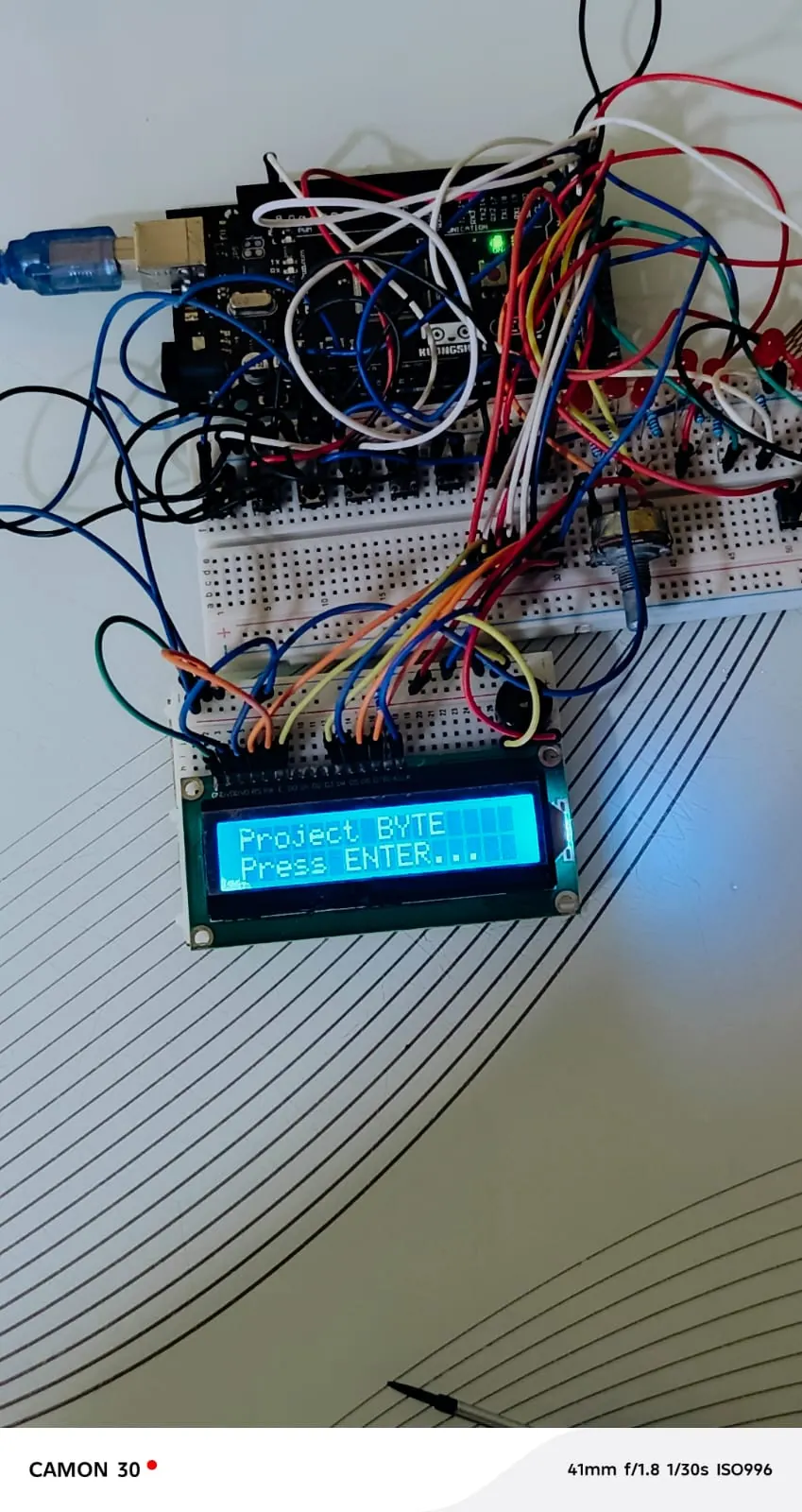
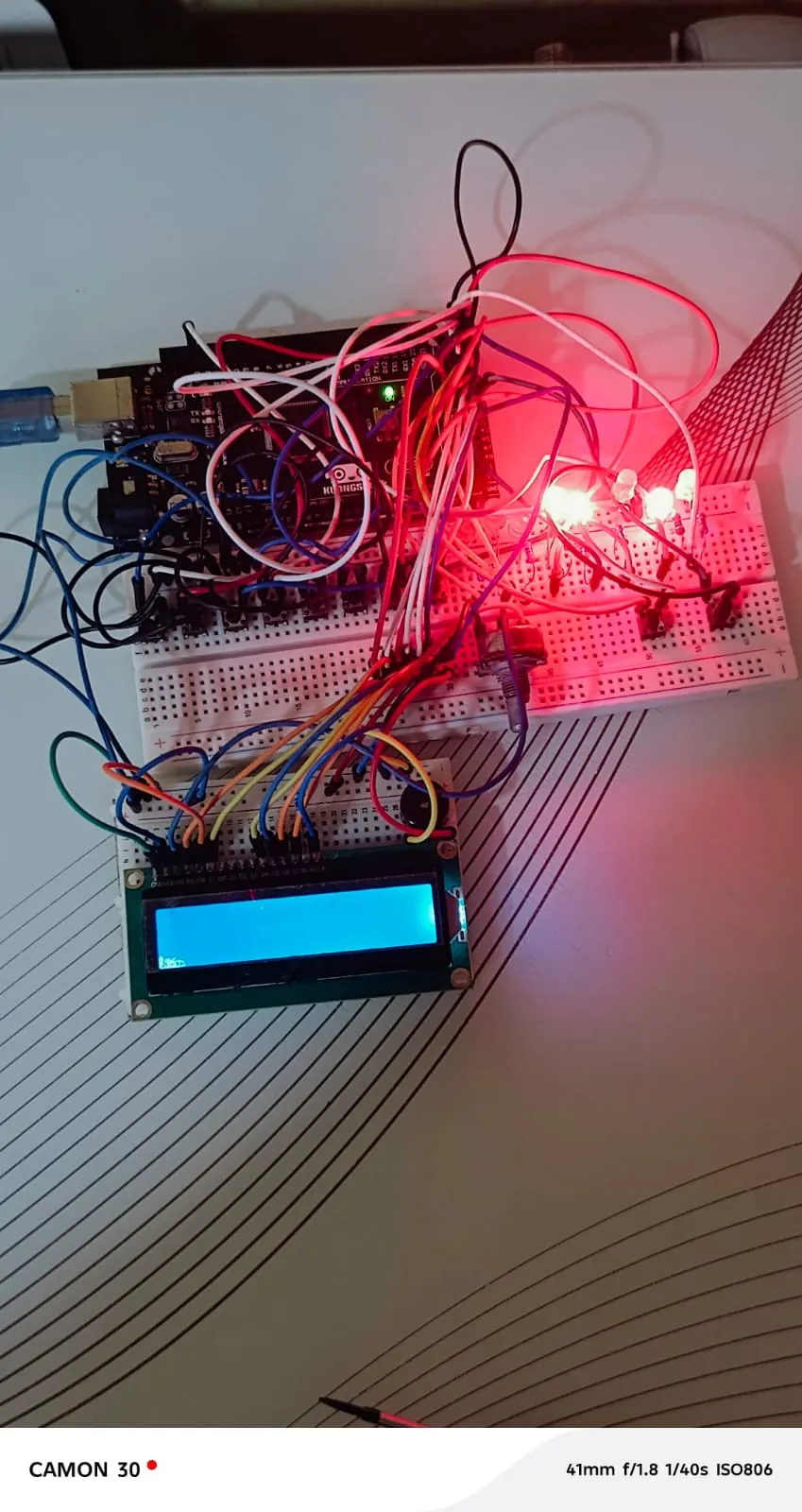
Images selected for general educational context. Sensitive operational details are intentionally excluded.
Responsible disclosure: This writeup is a generalized description based on professional or independent project work. It is not an employer-approved as-built diagram. Do not infer production addressing, exact architecture, vendor secrets or customer data from this page.